
How can you improve the efficiency of a meeting? Discover the 4 roles to assign to make sure a meeting is a success.
4 roles to define before a meeting
Meetings take up a growing place in our professional daily life, but not all of them are essential. Indeed, many of us suffer from “meetingitis”, which tends to make us waste time. To make sure a meeting is a success, there are 4 key roles to share out: decision-maker, facilitator, timekeeper, and scribe.
20 minutes and you have not spoken up? Did this meeting really need you? Meetings are essential but, like everything, you should not overdo it, otherwise it is just working time wasted. There are plenty of tips to guarantee the efficiency and the success of a meeting. To make sure a meeting is a success, you have to plan the before, the during and the after.
At Comet, we have studied the meeting from every angle, we have become experts on the subject! Comet Meetings, what is it?
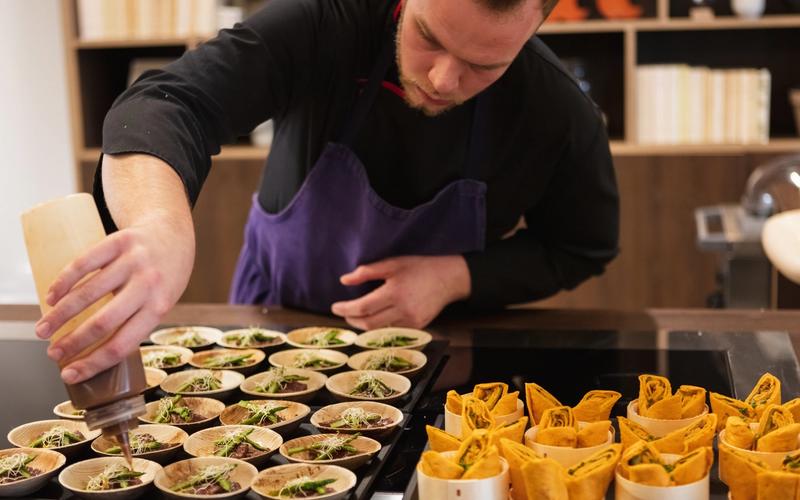
It is our range of meeting rooms and modular spaces for all your meetings and company events, with many associated services: catering service, technical assistance, and wellness sessions.
Our tip of the day concerns the preparation of the meeting, and the 4 key roles to define before the start of a meeting.
1. The decision-maker
Did you know that a key ingredient for successful meetings is having a decision-maker on board? It is true, having someone who can settle the important decisions makes every gathering not only more dynamic but also incredibly productive. Imagine: no more long hours of endless discussion, because with a decision-maker, every item on the agenda moves forward with clarity and efficiency. It is a little trick that comes to us from Lary Page (co-founder of google) and that is going to make your meetings more productive.
2. The facilitator
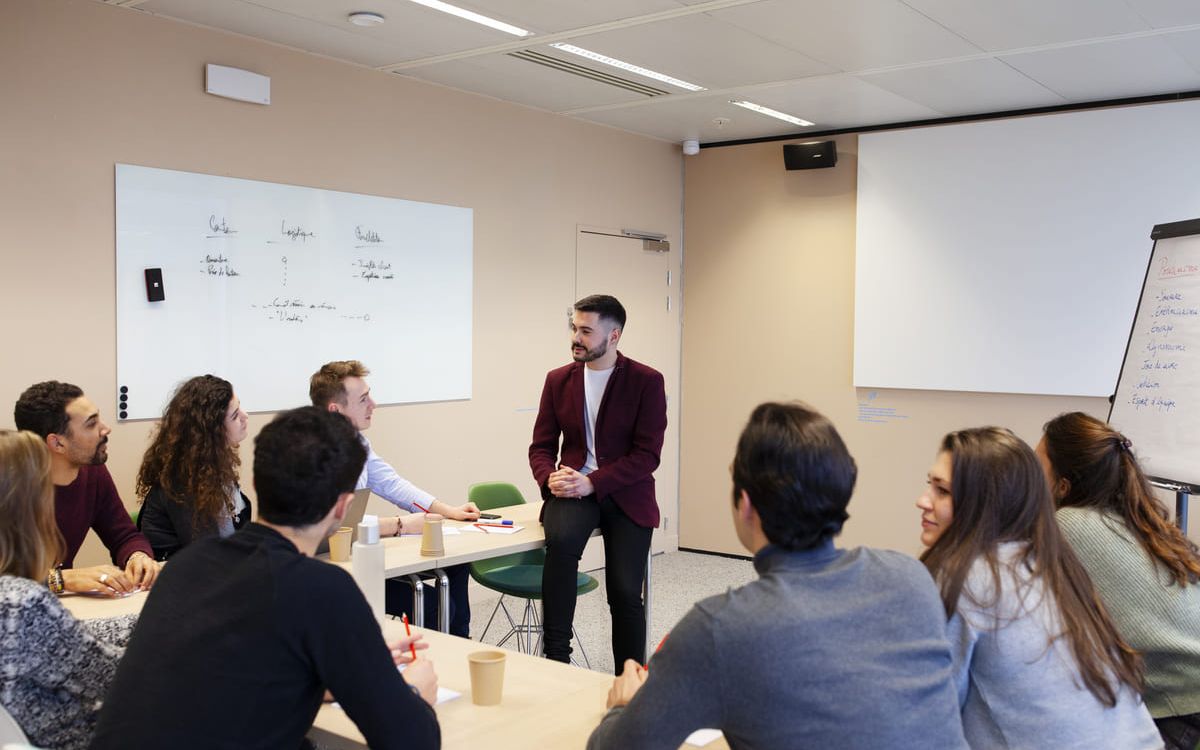
Ah, the meeting facilitator! This person has the essential mission of making the words dance around the table, making sure that everyone gets their share of speaking time. With a touch of lightness and a good dose of firmness, they create a group dynamic where every participant feels valued and involved. It is a real art to juggle between giving the floor and steering the discussions back on track, especially with those who join us remotely, yes, those slightly more silent participants who, according to studies by Microsoft and the University of Waterloo, tend to be less engaged. A good facilitator knows how to actively include them, turning every meeting into a truly constructive exchange. That is the magic of a well-run meeting!
3. The timekeeper
Meet the timekeeper, our discreet hero of efficient meetings! Inspired by Jean-Pierre Clamadieu of Rhodia, who spends half his year in meetings. “Pastime”, “Tick-tock”, “Mister Stopwatch”, call him whatever you like, his role is essential to keep every topic within the bounds of the timing. The timekeeper also makes sure that the remote participants are properly included, listening and reacting, thereby turning the virtual space into an active meeting room. With a competent timekeeper, every moment of your meeting is optimised for efficiency.
At Comet, 15 minutes before the end of the meeting, we always take a moment to recap and bring out the important points. That makes the main challenge easier: decision-making.
4. The Scribe
The scribe's role in a meeting is essential to guarantee that the key information does not get lost. Responsible for taking notes, the scribe meticulously selects the new information and the important decisions, distilling them into a succinct report. For a 45-minute meeting, the aim is to limit the notes to about eight essential points. This summary makes it possible not only to memorise the main ideas but also to communicate them efficiently to those who were absent. In this way, the scribe plays a crucial role by capturing the essence of the discussions for future reference.

The roles of decision-maker, facilitator, timekeeper and scribe are all crucial to the success of a meeting. Each one brings a specific contribution which, combined, creates a productive and efficient dynamic. Rotating these roles regularly among the participants avoids monotony, and also allows everyone to develop new skills and to understand the challenges associated with each position. And then, the meeting finally becomes a moment of the day that we love to share!
The roles are set, the venue is next. Comet rents fully equipped meeting rooms in Paris, from the executive committee to the plenary, with a team on site and catering by our Chef.