
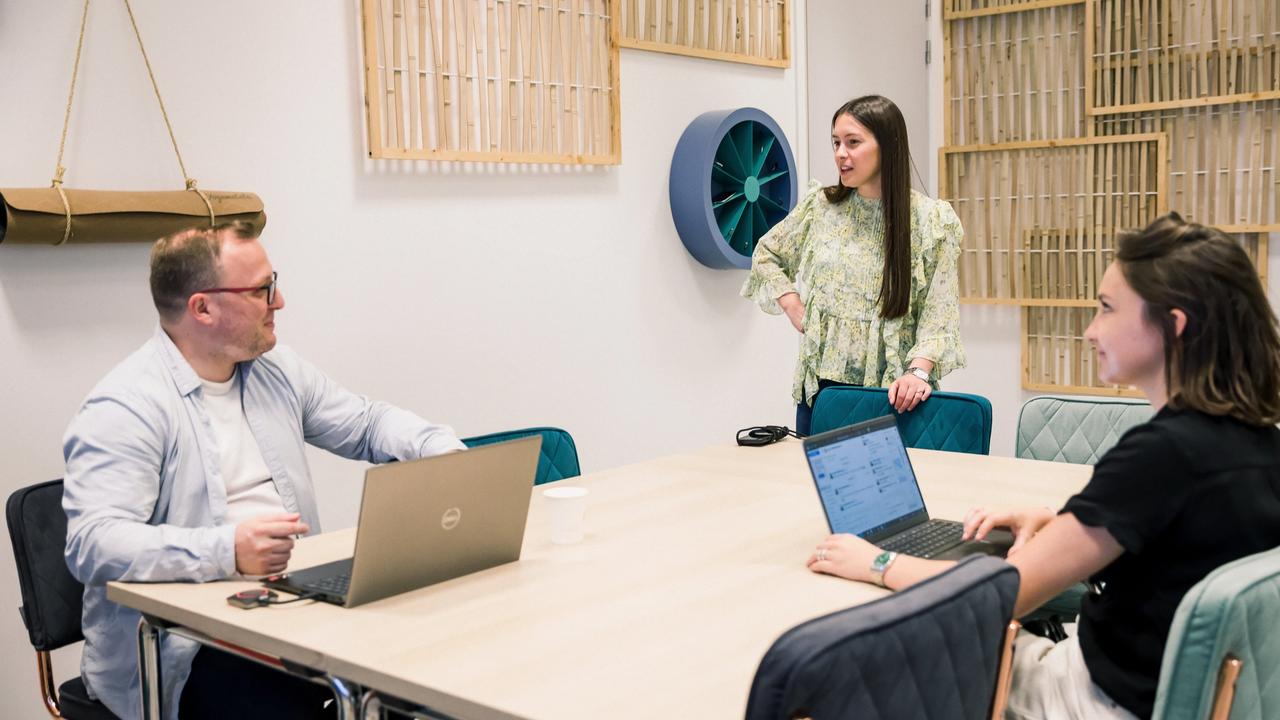
In most meetings, a handful of people dominate the conversation while everyone else stays quiet. That doesn't necessarily mean they have no ideas. Here are six simple ways to finally hear from everyone without making anyone uncomfortable.
How to get those who never speak in meetings to contribute
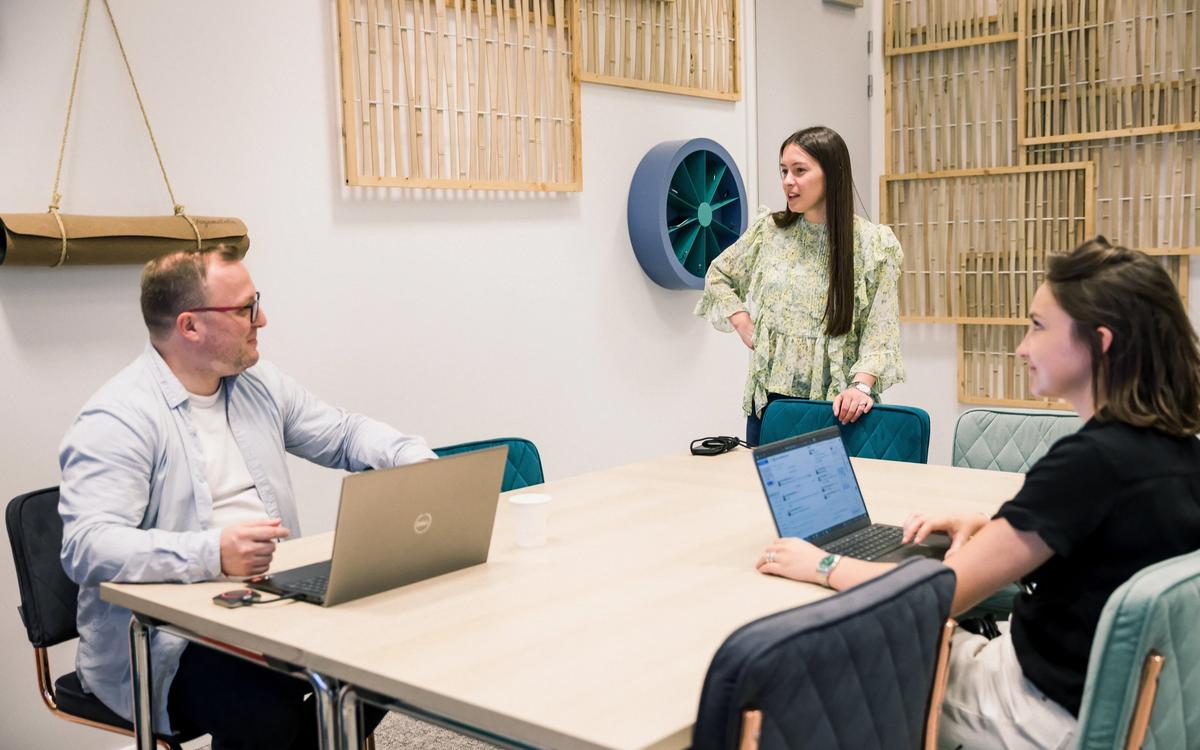
You know the kind of meeting. Three people are engaged in a lively discussion, two others nod along, and everyone else around the table stares at their notes, waiting for it to be over. On the way out, a colleague who stayed silent for an hour shares a very insightful comment on the topic. Why didn't she say it during the meeting? And more importantly, how can you make sure she speaks up next time?

1) Silence does not mean a lack of interest
This is the first misconception to avoid. Someone who does not speak up in a meeting is not necessarily someone who has nothing to say. Some people need time to formulate their thoughts, others do not dare contradict a superior, while still others have simply given up trying to find an opening between two rapid-fire contributions.
Starting from this principle changes the facilitator's approach. The question is no longer, “Why aren't they participating?” but rather, “What is it about this meeting that prevents them from participating?” And the answer often has more to do with the format than with the people.
2) Write before speaking
This is undoubtedly the simplest and most effective approach. Before opening the discussion, give everyone two or three minutes to jot down their ideas individually on a sticky note or in a notebook. This brief period of silence immediately levels the playing field: the quickest thinkers no longer have a head start, and the more reserved participants enter the discussion with something already formulated.
The ideas can then be read aloud or displayed on the wall and grouped together. Either way, every participant has contributed before the discussion even begins.

3) Small groups first, then the large group
Speaking in front of fifteen people is intimidating for many. Speaking in front of two or three colleagues is much less so. Having participants work in pairs or groups of three first, then asking each group to report back, increases the number of people who actually speak.
The feedback then focuses on the group's ideas rather than those of any one individual. A subtle but valuable safeguard for those who are reluctant to put themselves forward.
4) Send the topics in advance
A meeting where the agenda is only revealed as people walk in inherently favors those who think quickly and out loud. Sending the topics the day before, along with one or two specific questions, gives everyone else time to prepare their perspective.
This observation extends well beyond the issue of participation: according to a 2022 study conducted by YouGov for Comet, 51% of French employees sometimes attend meetings without knowing exactly why they are there. It is difficult to contribute when you do not know what is expected of you.
5) Round-robin introductions: use with caution
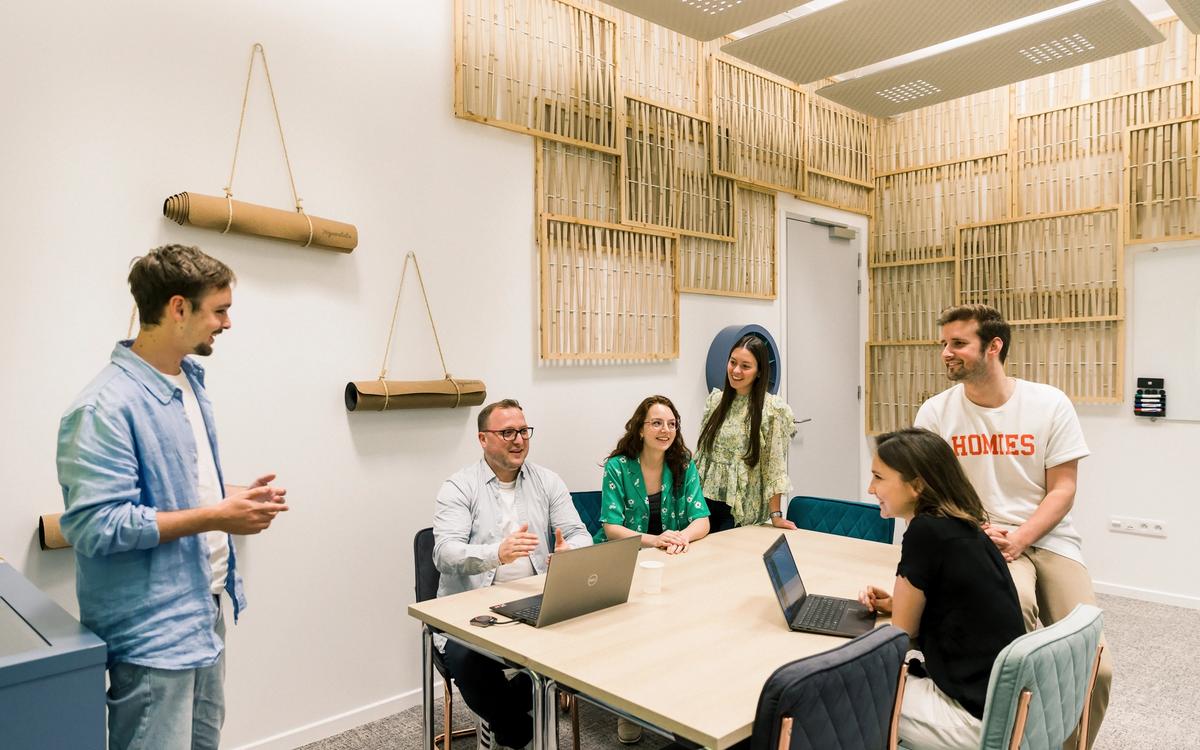
Going around the table has its benefits: it ensures that everyone is invited to speak at least once. But when used poorly, it can become an ordeal, especially when someone is asked to react on the spot to a topic they have only just encountered. The distinction matters: going around the table with a simple, open-ended question can put people at ease, while requiring everyone to take an immediate position can have the opposite effect.
One tip that works well is to let everyone have the option to pass, then come back to them at the end. Knowing you can say “I’ll pass” is often enough to make speaking up feel less intimidating.
6) The facilitator's real job: reining in the most talkative participants
We often think that facilitating a meeting means encouraging the quieter participants to speak. That’s true, but it also—and perhaps above all—means knowing how to rein in those who dominate the conversation. A considerate phrase such as, “We’ve heard your point of view; I’d like to hear from someone who hasn’t spoken yet,” can often transform the dynamic of an entire meeting.
It is a skill that can be learned, yet it is rarely taught. The same YouGov study showed that 68% of employees in France had never received training on how to run a meeting. At Comet, we have also observed that the room itself plays a role: a circular or cluster-style layout, where no one sits at the head of the table, naturally encourages more people to speak up than a long rectangular table.
So, who's going to speak at the next meeting?
Getting everyone involved requires neither sophisticated tools nor a professional facilitator. A few minutes of silent writing, small groups, an agenda sent out the day before, and a little moderation are often enough to bring out ideas that would otherwise never have been heard—such as those of the colleague who never spoke up.
A meeting where everyone has a voice starts with a room where no one sits at the head of the table.
comet-meetings.com/salle-de-reunion-paris