From the welcome coffee to the closing cocktail reception, a successful seminar should follow an energy curve, with peaks and moments to recharge. Here’s how to pace your day and keep the whole team engaged.
How to design a seminar program that keeps everyone engaged past 3 p.m.
It’s 2:30 p.m. The lunchtime coffee perked everyone up for twenty minutes, but already people’s gazes are starting to drift toward the window. If this scene sounds familiar, it’s not an inevitable part of the seminar itself. It’s almost always a matter of pacing. So how do you structure a day that keeps everyone engaged, from the welcome coffee to the closing cocktail reception?
1) Morning: valuable focus not to be wasted
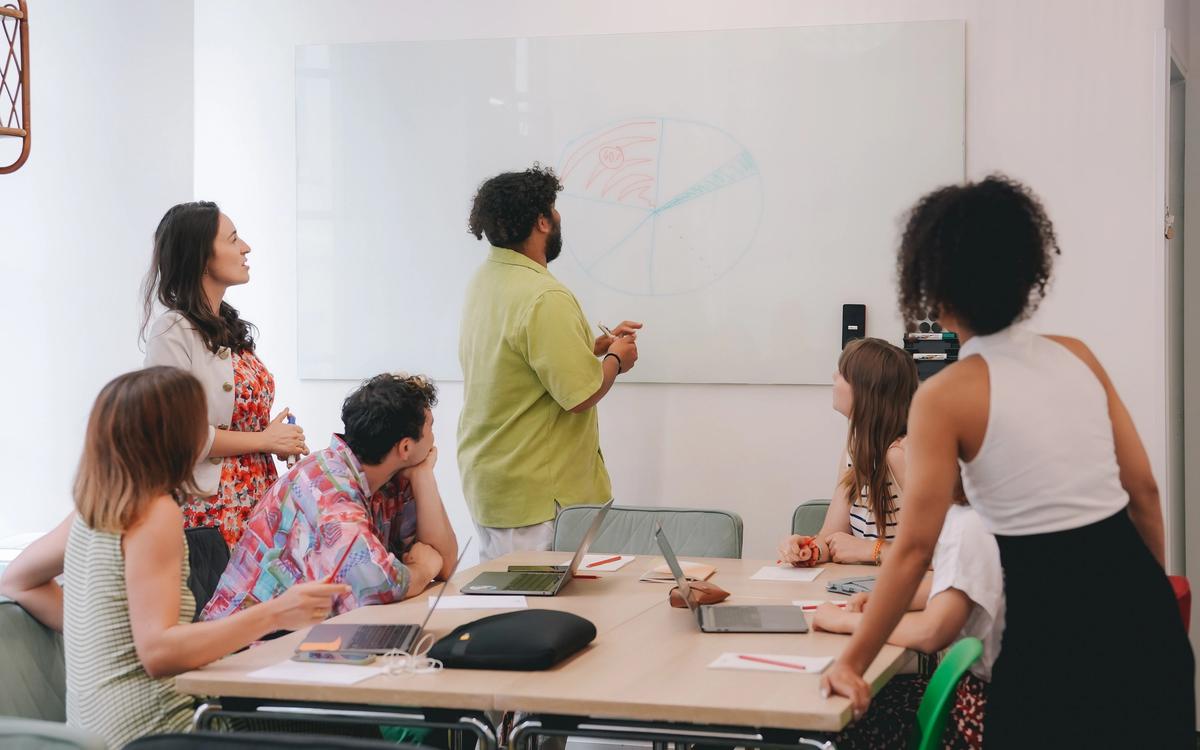
Early morning is when people are most attentive. This time slot should therefore be reserved for the most intellectually demanding activities: presenting strategic priorities, small-group brainstorming workshops, and making important decisions collectively.
Too many organizers start the day with a long institutional speech that eats away at participants' attention before they even get to the heart of the matter. A brief, warm welcome, quickly followed by a practical working session, always works better than a never-ending introduction.
2) The first break, more strategic than it seems
After about an hour and a half to two hours of focused work, attention naturally begins to wane. That’s when it’s time for a proper break—not a rushed five minutes between two slides, but a genuine fifteen- to twenty-minute pause. Coffee, informal conversations, a little fresh air: this time helps restore the group’s energy before moving on to the next part.

3) Lunch: More Than Just a Meal Break
Lunch is more than just a chance to refuel. It is often when the most spontaneous conversations take place—the ones that do not find room in meetings. Setting aside enough time, at least an hour, allows these informal exchanges to unfold naturally.
It's also the perfect opportunity to mix up the seating and prevent everyone from automatically grouping together with their usual team. A simple seating plan, or a casual suggestion such as “sit with someone from another department,” can sometimes be enough to spark connections that would never have happened otherwise.
4) The afternoon, the most challenging time to manage
This is where it all happens, usually between 2 and 4 p.m. Energy levels naturally dip after a meal, and this is precisely when attention is most likely to wander. The solution isn't to take more coffee breaks, but to switch to a different type of activity.
After a rather intellectually demanding morning, the afternoon benefits from including something more dynamic: a collaborative workshop where people get up and move around, a team-building activity, or a more playful format. Changing physical posture—from sitting in a chair to standing or moving around—greatly helps restore concentration.
5) The debrief, the moment that gives meaning to everything else
At the end of the day, setting aside time for a group debrief helps bring things full circle. Each group shares what it has produced, the decisions made during the day are formally documented, and most importantly, everyone leaves with a clear understanding of what has been accomplished.
This stage is often underestimated, even though it largely shapes how participants will remember the day. A seminar without a wrap-up leaves a sense of uncertainty, even if the day's content was relevant.
6) The end of the day, the moment you never forget
After work comes relaxation. A cocktail, an after-work gathering, or simply sharing a drink: this end-of-day moment often plays a bigger role in the shared memory of a seminar than one might imagine. It is when the day's tensions melt away and conversations continue in a more relaxed atmosphere.
At Comet, we regularly find that it’s these final, informal, agenda-free moments that participants mention most often in their feedback. Not the morning plenary session. The evening drink.
A good program deserves a good venue.
comet-meetings.com/lieux