A slightly overlong speech, a sit-down dinner, a playlist that starts too late: the end-of-year party often feels much like last year's. Here's how to turn it into a genuine team-building moment without changing everything.
Company year-end party: how to move beyond the dinner-and-speeches format
It’s 9:15 p.m. The management speech has just ended, the main course has had time to go cold, and at the table in the back, people are starting to discreetly check the time of the last train. Everyone has had a decent evening. No one will really remember it in January. So how can you turn your company’s end-of-year party into something more than just another box-ticking ritual?

1) The speech: short and well-timed
The end-of-year speech has its place. It provides an opportunity to thank people, reflect on the past year, and set a direction for the next. The problem is almost never the speech itself, but its length and timing. Slotted in between the starter and the main course, it interrupts conversations just as they are beginning to flow.
It is best to schedule it right at the start of the evening, before the guests are seated, and aim for five minutes rather than twenty. One effective alternative is to replace a single long speech with three or four very brief remarks from people who are not usually heard. A heartfelt thank-you from someone on the ground often makes more of an impression than a report full of figures.
2) A sit-down dinner is not mandatory
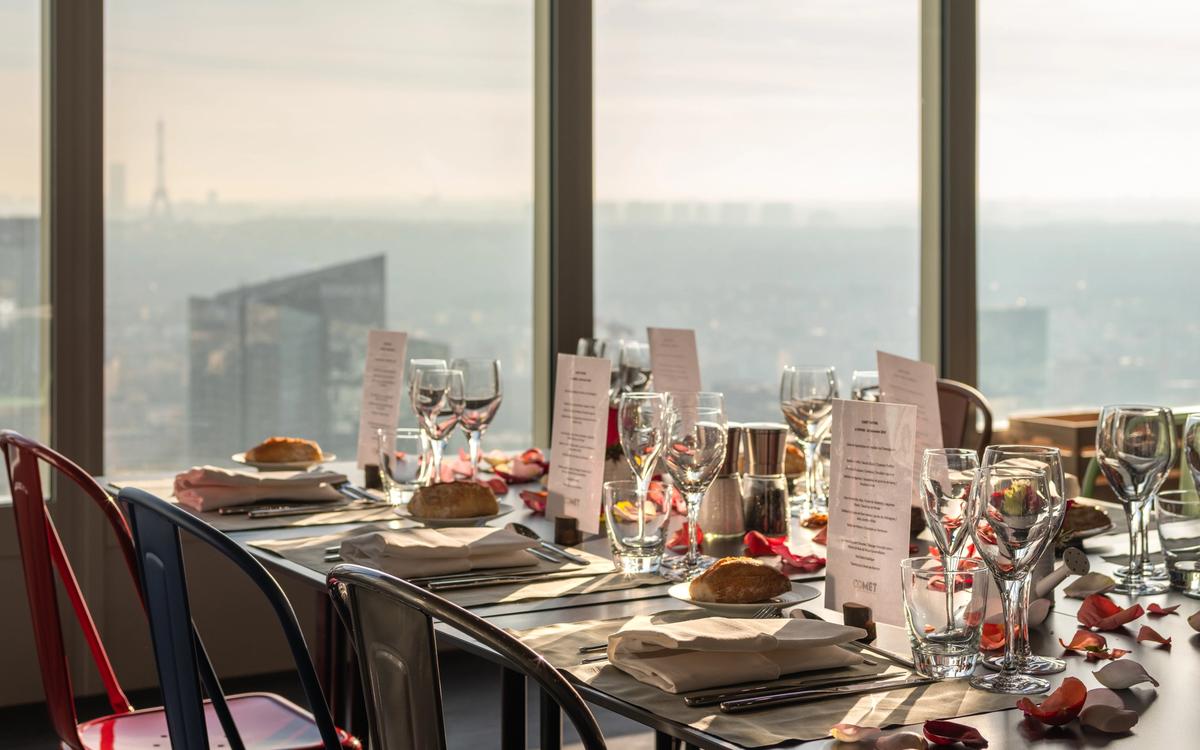
A sit-down meal has one often-overlooked drawback: it makes the evening feel static. Everyone spends two hours at the same table, with the same people seated next to them—often colleagues they already see all year round. As a result, the end-of-year party becomes little more than a slightly more festive version of the lunch break.
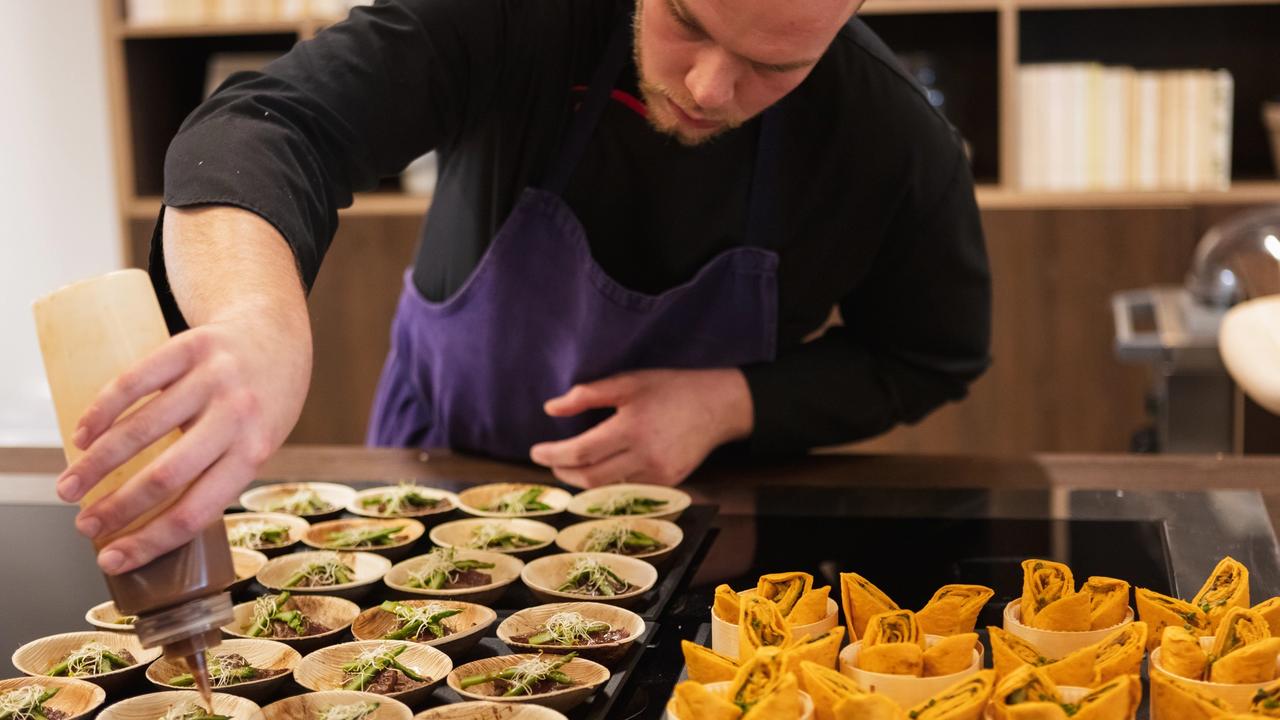
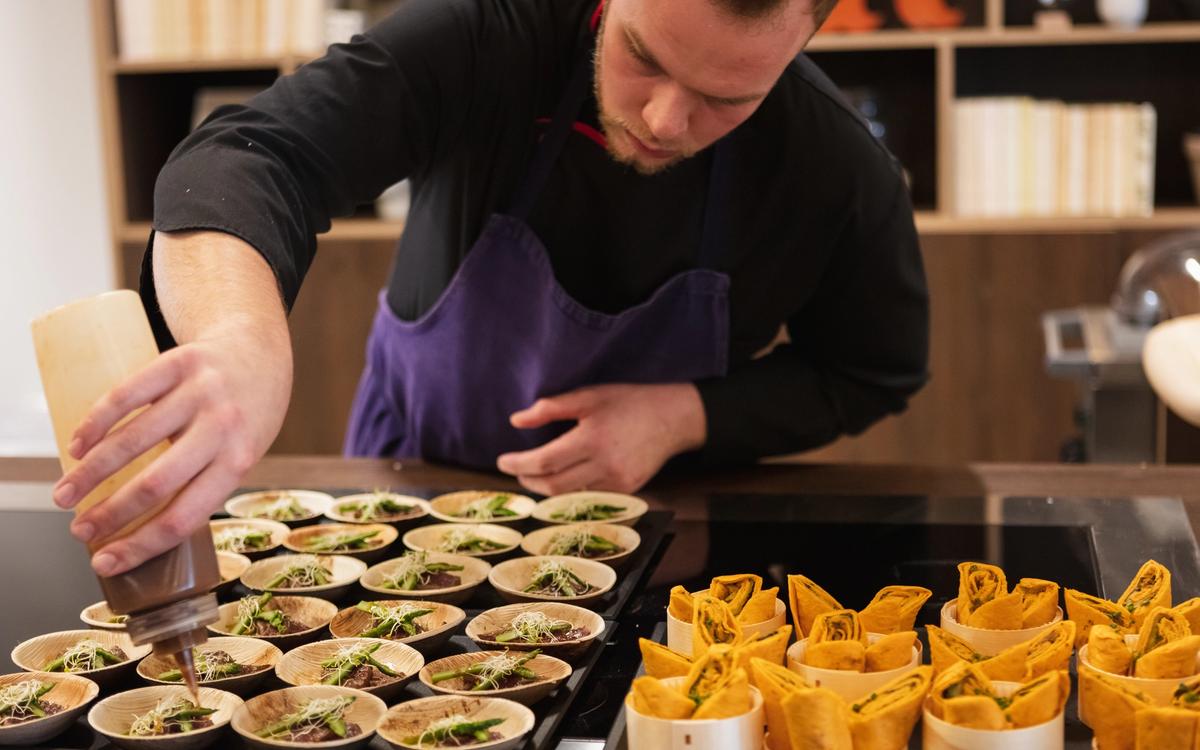
A cocktail reception with substantial hors d'oeuvres, live cooking stations, or a thoughtfully designed buffet: these formats allow people to move around, mingle, and reconnect with someone they haven't seen in months. And if a seated dinner remains a must for your team, simply switching tables between two courses is enough to mix things up.
3) Give people a real reason to mingle
Leaving things to chance generally means letting each department stick to itself. It’s not due to any ill will; it’s simply a group’s natural tendency. A little nudge can change everything: a seating plan that mixes teams, a lighthearted game that gets people talking to someone from another floor, or a photo booth where randomly selected groups pose together.
The idea is not to organize spontaneity, which would be contradictory, but to remove the slight awkwardness that keeps people from approaching one another. Once the ice is broken, the conversations take care of the rest.
4) Christmas party entertainment: participate rather than watch
We sometimes tend to think that the success of an evening is measured by how much entertainment it offers. In reality, formats where guests remain seated and watch someone else have fun rarely work better than a good conversation. What people remember are the moments they take part in: a team-based name-that-tune game, a cocktail workshop, or a quiz about the past year packed with inside jokes and anecdotes.
A simple rule to keep in mind: activities should be an invitation, never an obligation. Those who prefer to chat in a corner should be able to do so without feeling left out.
5) Keep in mind those who won't stay until midnight
An end-of-year party that starts at 8:30 p.m. effectively excludes part of the team: parents who need to get home, those who live far away, and those who simply do not enjoy late nights. Starting earlier, around 6:30 or 7 p.m., allows everyone to enjoy the best part of the evening, while those who are keen can stay on longer.
The same principle applies to drinks and food: non-alcoholic cocktails crafted with just as much care as the others, and dishes designed around each guest’s dietary needs—planned in advance rather than improvised at the last minute. These may seem like small details, but they are precisely what makes someone feel truly welcome rather than merely tolerated.
6) The location already does half the work
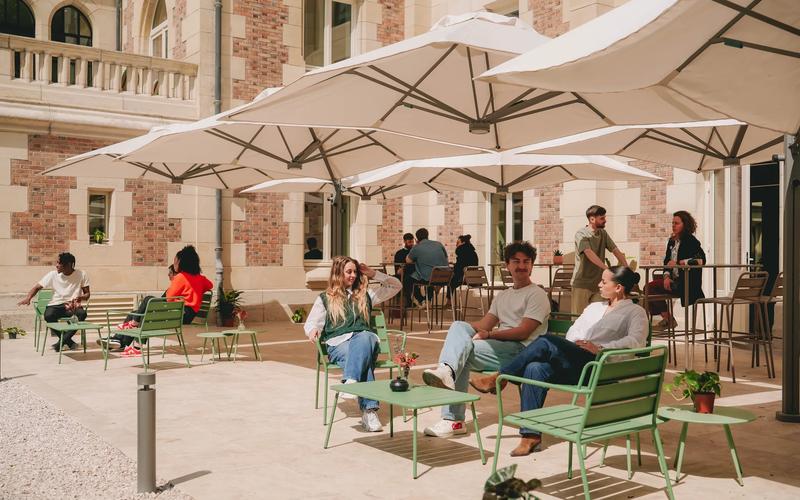
Holding the end-of-year party at the office is convenient. But it also means keeping the screens, open-plan workspaces, and everyday atmosphere in the background. A change of setting, even just a few metro stops away, is often enough to create a real break from routine and set a different tone from the moment guests arrive.
At Comet, we’ve noticed that the most memorable evenings are rarely the most spectacular. They’re the ones where the venue allows people to move around freely, drift from one space to another, and find a quieter corner to talk when the music gets louder. A setting that lets the evening unfold naturally, rather than confining it.
Frequently Asked Questions
When should you hold the company end-of-year party?
Most often between late November and mid-December. These dates are in high demand, so it’s best to book the venue as early as September to have a good selection.
What kind of year-end party could we have instead of the usual dinner?
A cocktail reception or food stations that encourage guests to mingle, an earlier start time, and a venue away from the office are often enough to completely refresh the experience.
What entertainment should you choose for a corporate Christmas party?
An activity you take part in rather than a show you simply watch: team-based blind music quiz, a quiz about the past year, or a cocktail-making workshop. Always offered, never imposed.
So, what are we changing this year?
There’s no need to reinvent everything. A shorter speech, a format that gets people mingling, an activity everyone can take part in, and a schedule that leaves no one out: these few adjustments are often enough to turn a decent evening into one people are still talking about when they return from vacation.
An evening unlike last year's starts with a venue unlike your office.
comet-meetings.com/soiree-entreprise-a-paris