
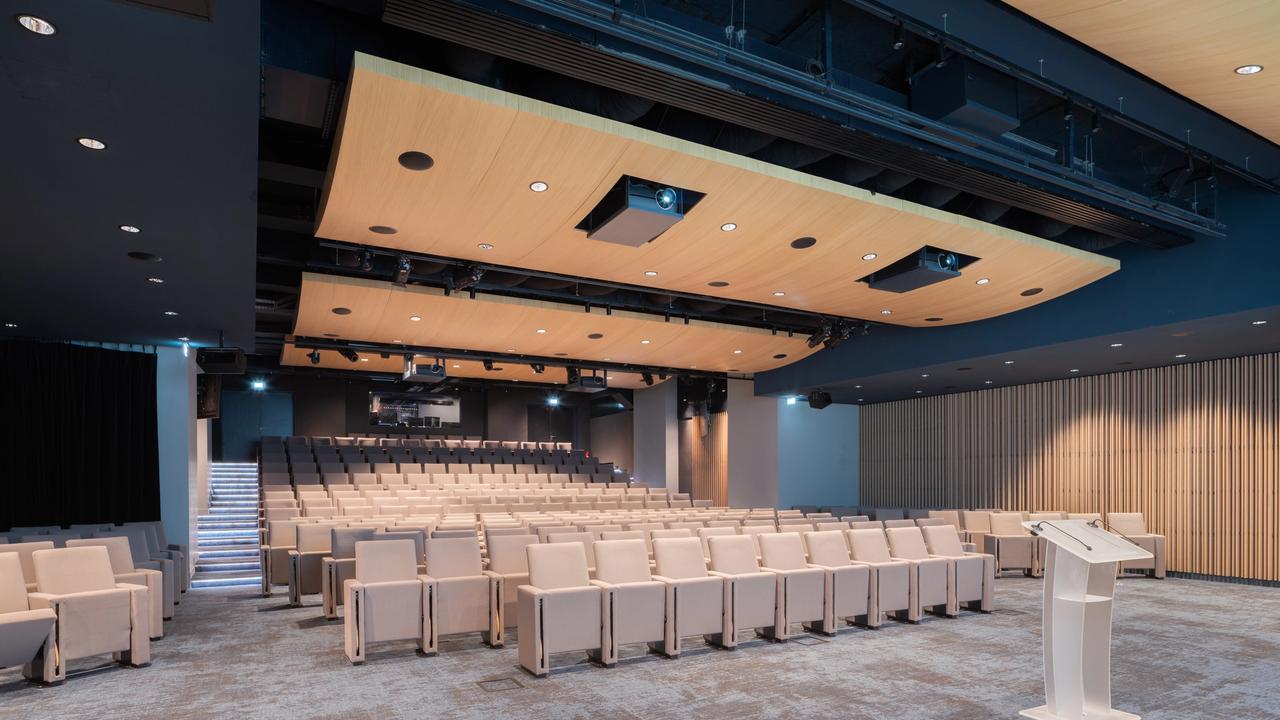
A seminar that runs smoothly on the day is often one that was thoroughly briefed three weeks in advance. Objectives, schedule, dietary requirements, technical needs: here is the information a venue absolutely needs to know—and the details that are almost always overlooked.
What to tell a venue before your seminar

It’s 8:45 a.m. The first participants are arriving, and we discover that the room has been set up theater-style, even though the morning begins with small-group workshops. It’s nothing serious—we’ll move the chairs. But we’ll have lost twenty minutes, some energy, and part of that all-important first impression. Most of the time, the venue isn’t to blame: the problem is simply that a piece of information wasn’t passed on. So what do you really need to tell a venue before your seminar?
1) The objective, even before the squad
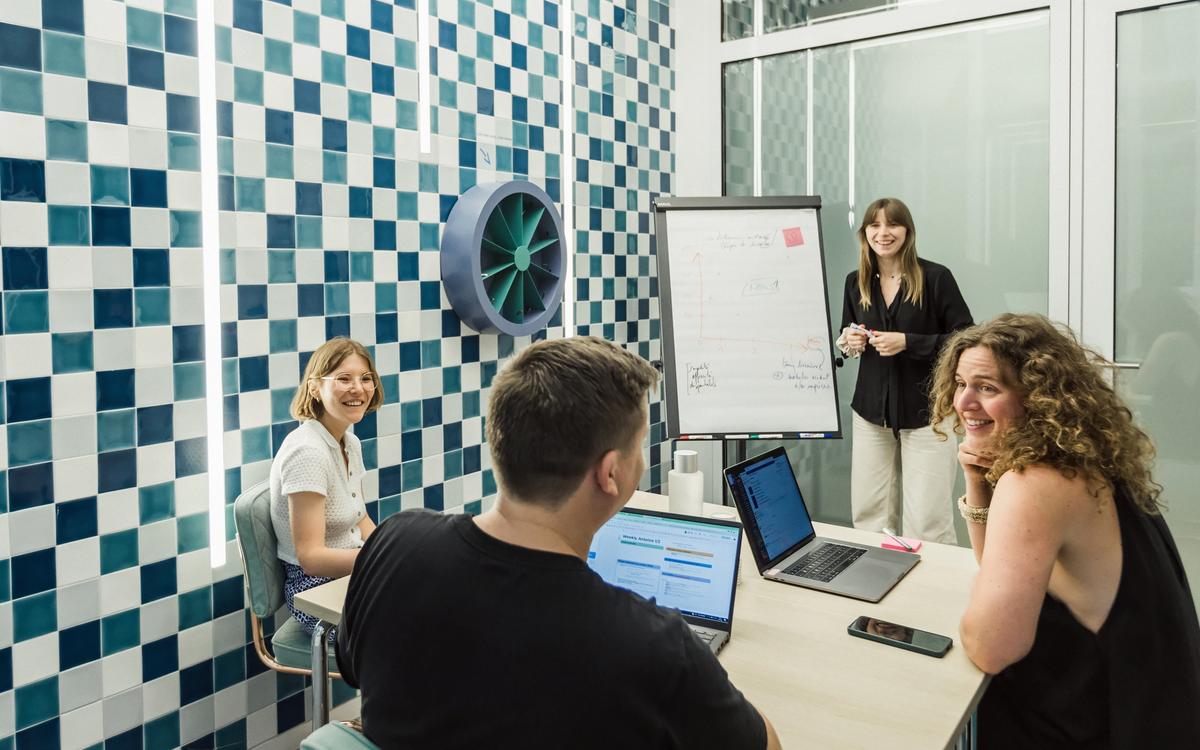
The first instinct when contacting a venue is to provide a date and the number of participants. This is necessary, but far from sufficient. Forty people gathered for a strategic plenary session have very different needs from forty people attending workshops or celebrating the completion of a project.
Stating in one sentence what the seminar needs to produce, decide, align, or connect people around enables the venue to offer the right spaces and anticipate needs you had not yet articulated. It is the most useful piece of information, yet paradoxically the one least often shared.
2) The schedule, hour by hour
A seminar day is not just about a room; it is a series of moments, each requiring a different setup. A plenary session first thing in the morning, small-group workshops, lunch, a debriefing session, a cocktail reception: each part of the day has its own requirements in terms of space, furniture, and equipment.
Sharing the schedule, even if it is only provisional, allows the venue to plan configuration changes at the right time rather than improvising them in front of participants. This is exactly what the Comet teams confirm in advance with each organizer: when the day begins, the venue already knows where it is headed.

3) Dietary requirements and allergies, in advance
Vegetarian, gluten-free, severe allergies, religious dietary restrictions: these details may seem secondary until a participant is served a meal they cannot eat. The simplest approach is to collect this information during registration, then send it all at once to the venue at least one week in advance.
Allergies deserve to be mentioned separately and clearly. An intolerance does not require the same precautions as a severe allergy, and the kitchen staff need to know so they can make the appropriate arrangements.
4) The technique, especially when someone comes from outside
An external speaker arriving with their laptop, a video to play with sound, participants joining remotely: these are the situations where the technology is most likely to fail, precisely because it was assumed to be straightforward.
Clarifying in advance who will be presenting, what device or platform they will be using, and whether some attendees will be joining by video conference makes it possible to test everything before participants arrive. At Comet, a Technical Expert is on site for these occasions, but even the best support works better when they know what to expect.

5) The participants themselves
Some information concerns neither the room nor the schedule, but the people. A participant with reduced mobility, staggered arrivals because part of the team is coming from outside the region, a group that needs to leave early to catch a train, or the need for somewhere to store luggage: these are all details that take two minutes to sort out when anticipated, but create a brief moment of uncertainty when discovered on the morning of the event.
6) A single point of contact on each side
One final point, often overlooked: knowing who is communicating with whom. When three members of the organizing team each send different information, the risk of conflicting messages inevitably increases. Appointing a single point of contact on the company side and a single point of contact at the venue simplifies everything, right through to the day of the event, when they will be the person to call if anything unexpected happens.
So, is your brief ready?
A good brief doesn't have to be an endless list of specifications. It can often fit on a single page: the objective, the schedule, catering requirements, technical needs, participants' specific requirements, and the name of a point of contact. Six pieces of information that take just an hour to gather and save you from countless last-minute adjustments. And if some points are still unclear, you're not alone: at Comet, our teams are also here to help you refine your event and recommend the setups best suited to what you want to achieve on the day.
Is your brief ready? Let's find the perfect venue to match.
comet-meetings.com/seminaire-entreprise-paris