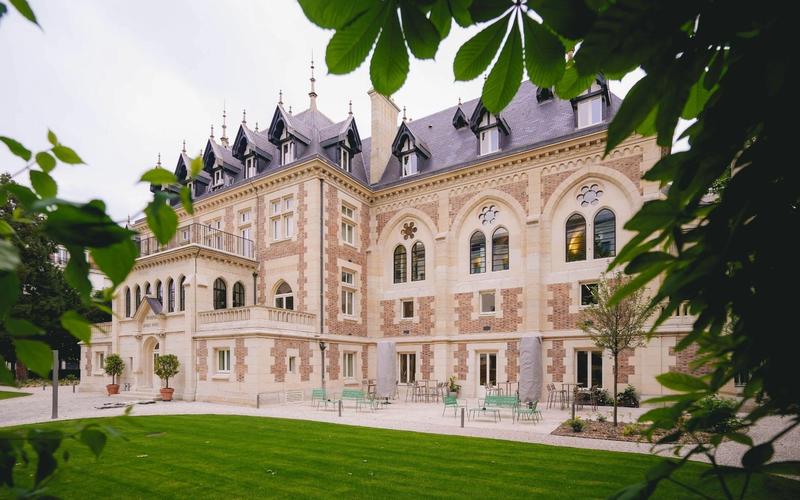
For Comet, WeWork's troubles do not call into question the potential of flexible offices: they are an invitation to rethink the model around the office hotel concept.
In recent times the commercial real estate sector, and in particular the market for ultra-flexible office space, has come under close scrutiny because of the difficulties faced by WeWork. However, for Comet, one of the sector's leading players, these challenges are an opportunity to reflect on and rethink the future of office space.
WeWork's trajectory, marked by rapid growth followed by significant difficulties, has sparked debate about the resilience of the flexible office sector. Comet argues that these problems do not reflect the sector's potential, but rather the outcome of WeWork's management decisions. This situation is a critical learning point for companies operating in real estate and office space.
Although flexibility is now fundamental to working culture, it has yet to be fully embraced in the office real estate sector. In a world of rapid political, economic and environmental change, committing to a long-term office lease is increasingly seen as impractical. Companies have to deal with fluctuating headcount and an uncertain future, which makes flexible office space more of a necessity than a luxury.
Comet's conviction about the importance of combining different office space models translates into its support for flexible, adaptive solutions tailored to the changing needs of modern businesses:
- Traditional office space with adaptable leases, avoiding the pitfalls of fixed long-term commitments.
- Flexible offices on demand, for temporary needs: special projects, growth phases or hiring waves.
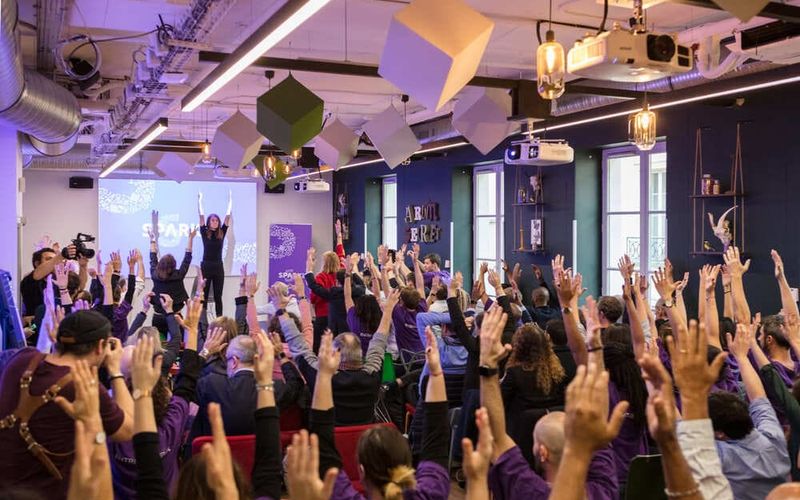
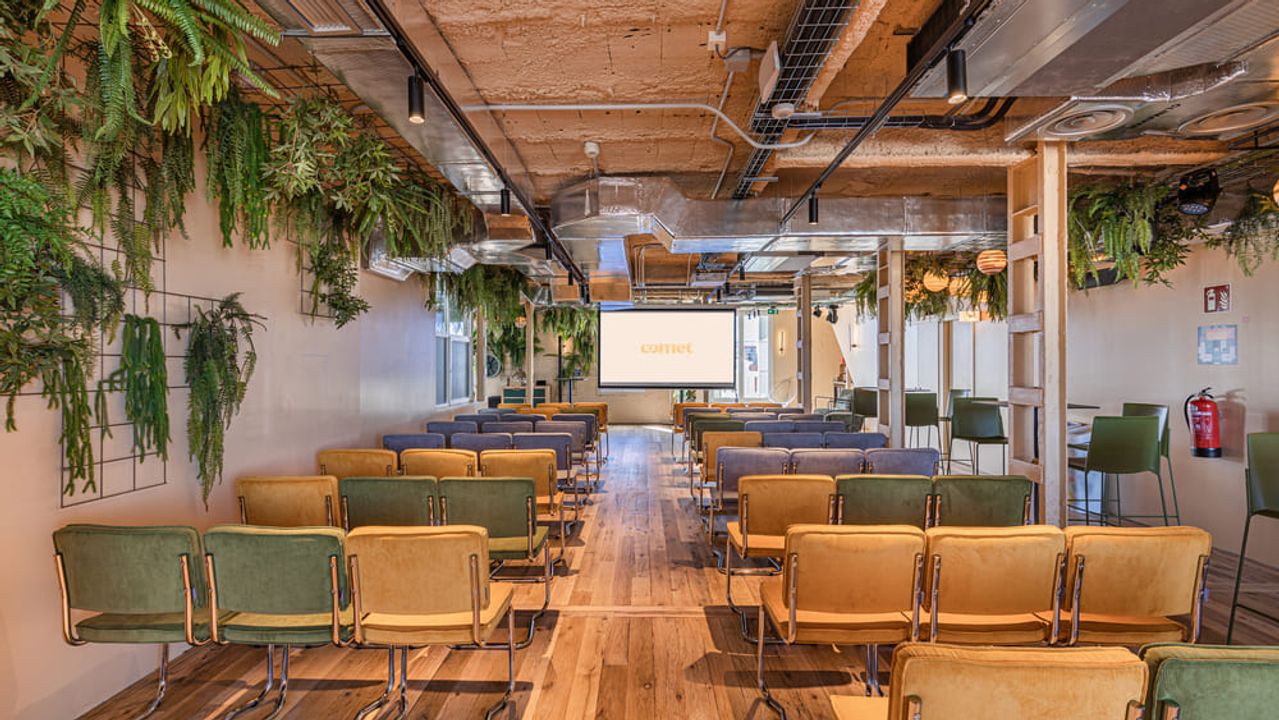
- Event spaces for short-term use, fully equipped for meetings, conferences or corporate events.

This multifaceted approach, described as the “office hotel” concept, gives companies the ability to manage space and the employee experience with unprecedented flexibility. The model supports a dynamic working environment in which teams move effortlessly from one type of office space to another within the same building, according to their immediate needs.
What is more, the model is not only beneficial to tenant companies. Property owners, faced with the challenge of adapting to a world where remote work is becoming ever more common, see the office hotel as a way to maintain, or even increase, the value and profitability of their assets. This is achieved by diversifying yields and adapting to shifting market demand.
Comet, along with other new entrants to the market, is at the forefront of this transformation, bringing expertise that allows investors and companies to navigate these changes effectively. The company's approach promises a balanced solution, optimising the use of office space while maintaining financial viability for all stakeholders.
According to Victor Carreau, co-founder of Comet: “We see WeWork's trajectory not as a reflection of the potential of the flexible office sector, but rather as the result of specific management decisions. It is a critical lesson for us and for the whole real estate industry. Flexibility is not merely a trend: it is a necessity in today's constantly changing world. The office hotel concept, combining adaptable leases, on-demand spaces and event facilities, offers companies unprecedented flexibility and supports a dynamic working environment. The model benefits both tenant companies and property owners, ensuring profitability and adaptability in the face of constantly evolving market demand.”
Comet is committed to redefining the future of workspaces, making sure they meet the changing needs of companies and employees in a constantly evolving world.