Having reinvented the meeting, Comet now wants to bring to the office the revolution that cloud computing brought to IT: moving from a traditional office asset to a flexible, serviced infrastructure consumed according to actual use.
Paris, 29 September 2026: having reinvented the meeting, Comet now wants to bring to the office the revolution that cloud computing brought to IT: moving from a traditional office asset to a flexible, serviced infrastructure consumed according to actual use.
In brief
- Comet turns 10: founded in 2016, 14 venues in Paris, Brussels and Madrid, 235 employees, over €40m in revenue in 2025, and more than one million visitors welcomed from nearly 7,000 client companies.
- The company unveils its 2036 roadmap: shifting from square metres to usage by applying the logic of the cloud to the office.
- Goal: expand its network across its three offers by 2029, following Icade's entry into its capital (81.5%, July 2026).
Ten years after its founding, Comet is opening a new chapter in its history and unveiling its roadmap for the next decade: bringing together the expertise it has built since its creation (spaces, services, hospitality, flexibility, food, technology and data) to invent a new office model that is more flexible, more serviced and more closely driven by usage.
This ambition has taken on a new dimension since July 2026, when Icade became Comet's majority shareholder with an 81.5% stake.
“This acquisition aims to continue developing the three offers that have made Comet a success (Meetings, Workplaces and Hospitality), in service of reinventing the office model. By building on Comet's expertise, this transaction marks a new step in our ambition to offer our clients far more than office buildings: attractive, high-performing, value-creating places to live and work. For Icade, Comet is the right partner at the right time.”, Nicolas Joly, CEO of Icade.
Ten years reinventing the meeting, ten years ahead to rethink the office
When Comet opened its first venue in 2016, its founders started from a simple observation: companies devote a huge amount of time and resources to meetings, yet the spaces where those meetings take place are rarely designed to match their importance.
Comet then made a bet on applying the codes of hospitality to the world of work: architecture, design, service, food and attention to the experience became integral to the performance of collective moments.
Ten years later, the way we work has changed profoundly. Digital tools, hybrid work and now AI have gradually moved part of individual output out of the office. At the same time, moments of collective presence (deciding, aligning, passing on knowledge, training, launching a project or building a shared culture) are becoming increasingly important. Yet the economic model of the office has barely changed: floor space committed for several years and sized for peak capacity, regardless of how it is actually used.
For Comet, this contradiction now opens a new cycle: “Comet was never meant to be the most beautiful meeting venue in Europe. That was the first step, the laboratory. We spent ten years understanding what makes collective moments valuable. We now want to use that experience to rethink more broadly how companies consume and operate their workspaces,” explain Victor Carreau, Nicholas Findling and Maxime Albertus, co-founders of Comet.
From square metres to usage: applying the logic of the cloud to the office
Comet advocates a profound transformation of the corporate real estate model. In the 1990s, companies owned their own IT infrastructure, sized to absorb peaks in activity but largely underused the rest of the time. The cloud gradually replaced this logic with capacity available on demand and adjusted to needs. Comet believes office real estate is about to undergo a comparable transformation.
Rather than pitting the traditional office against flex office, Comet envisions real estate organised around three complementary layers:
- a permanent core, which preserves the company's physical identity and hosts its teams day to day;
- a flexible layer, able to scale with headcount, projects or periods of activity;
- an on-demand layer, dedicated to occasional high-stakes collective moments, lasting from a few hours to a few days.
The goal is to enable leadership teams to gradually manage their real estate the way they now manage their technology infrastructure, balancing permanent capacity, flexibility and on-demand consumption.
Three businesses combined to build the office of tomorrow
This ambition rests on the expertise Comet has developed over ten years, now structured around three complementary offers.
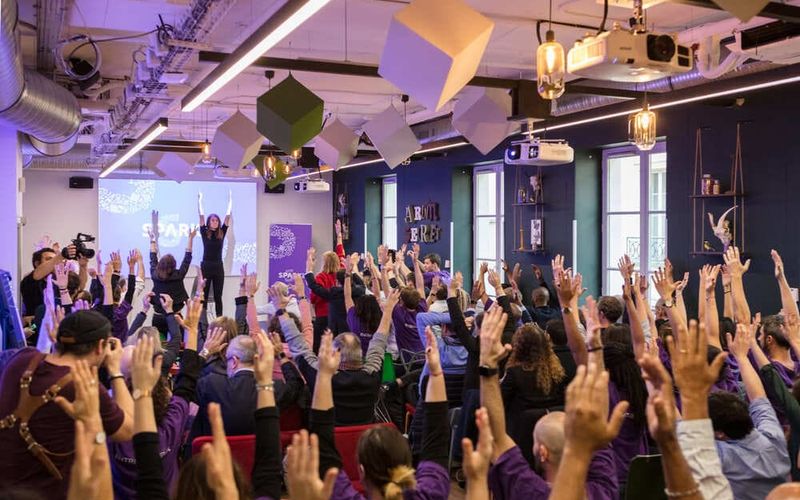
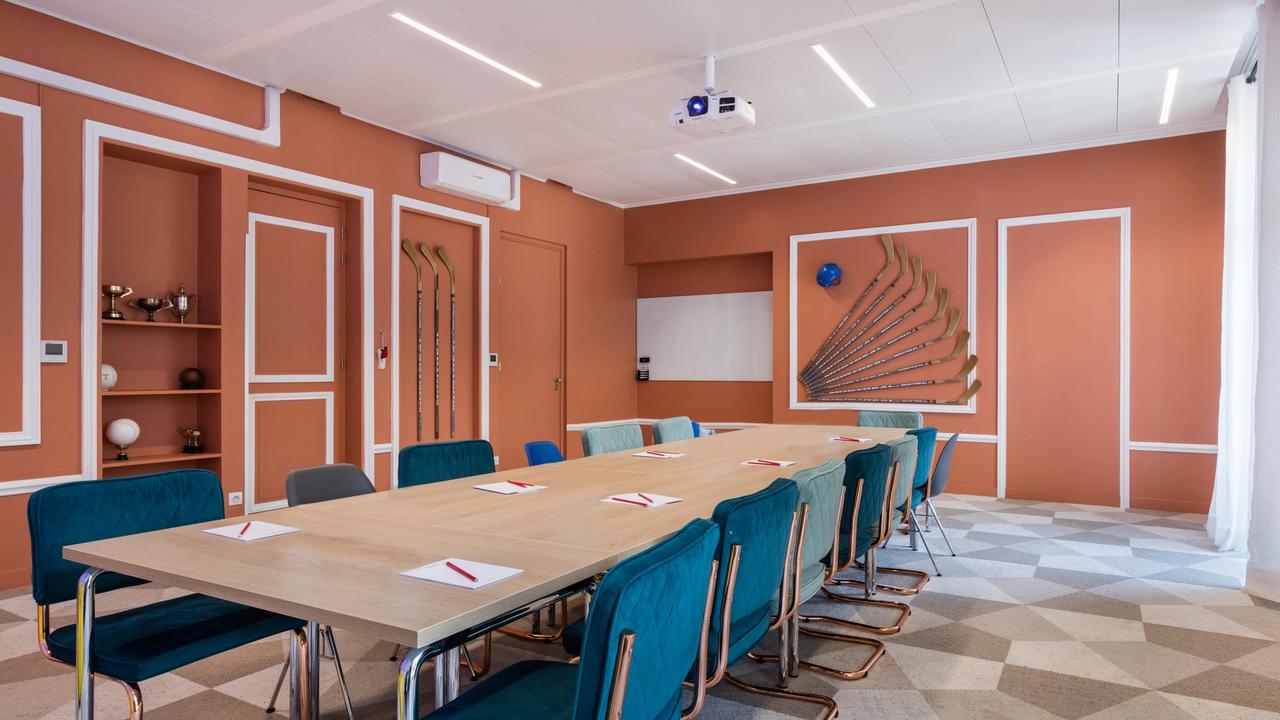
Comet Meetings covers occasional collective moments, from meetings of a few people to large corporate events, including seminars, training sessions and company parties.
Comet Workplaces brings the service standards developed in Comet venues to everyday offices, operated with a hospitality-inspired approach.
Comet Hospitality deploys this know-how directly within real estate assets owned by third parties.
These offers draw on the other building blocks developed by the group: service expertise, food, booking and space-optimisation technology, data, and a carbon-impact measurement methodology.
Comet's ambition is now to bring this expertise together into a single infrastructure able to support companies and property owners in transforming their spaces.
A new chapter accelerated by the partnership with Icade
This roadmap comes a few weeks after Icade's entry into Comet's capital. Since July 2026, the property investor and developer has held 81.5% of the company. For Comet, the transaction is not a change of direction but the acceleration of a trajectory under way for several years. In particular, it should allow the group to expand its network in the Île-de-France region and in France's main regional cities, and to develop new formats.
Comet notably plans to extend its offer to venues able to host up to 1,000 people for conventions, general meetings and large corporate gatherings, while also developing complementary ranges, from more accessible spaces to high-end venues for board meetings, strategy committees and investor meetings.
In the longer term, Comet aims to develop indicators that allow leadership teams to measure dimensions that are still hard to quantify today: speed of decision-making, level of alignment after a seminar, quality of presence or engagement. This approach will complement the tools already developed for environmental measurement, notably the Comet Footprint methodology.
By 2030, Comet thus wants to help change the question companies ask: no longer just “how many square metres do we have?”, but “is our real estate matched to how we work, and does it allow our teams to give their best when they come together?”
About Comet
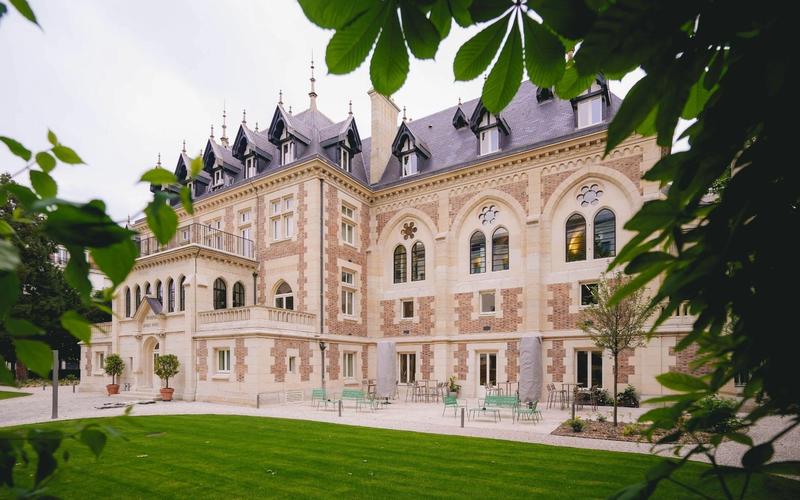
Founded in 2016, Comet is one of the leaders in urban event venues, with 14 addresses in Paris, Brussels and Madrid.
The company designs and operates places to live and work dedicated to companies' collective moments, whether meetings, seminars, training sessions or corporate events, as well as to their everyday work, from coworking to operated offices. Comet applies the codes of hospitality to work environments through architecture, design, food, technology and service, to enhance the experience and collective performance. In ten years, Comet has welcomed more than one million visitors from nearly 7,000 client companies. Since July 2026, Comet has been majority-owned by Icade, with an 81.5% stake.