For Comet, the four-day week will push companies to hold fewer but better-designed meetings. The start-up shares five key dimensions for getting there.
According to Comet's scientific experts, time and resources at work need to be optimised in order to improve employee performance. The prospect of a shorter working week, which reduces the amount of working time available, raises key questions: the importance of performance, and how we can maximise productivity with less time. The time and energy we devote to each activity will be worth far more, particularly in team meetings. Comet, the start-up specialising in meeting productivity, advocates a "less is more" approach and supports companies that want to invest time in designing high-quality collaborative meetings, but fewer of them.
To assess the real need for this change, the company ran a study in 2022 showing that 69% of Spaniards feel they regularly face "pointless" meetings and that more than one employee in two attends meetings "without knowing exactly why they are there".
Victor Carreau, CEO of Comet, explains: "We believe meetings can generate significant added value if they are seriously thought through. We see high-quality meetings as a way to unlock communication, collaboration, loyalty and strategic issues. However, we stand for a less-is-more approach and support companies that want to invest time in designing a few collaborative meetings, but good ones, with their stakeholders."
To make meetings work, Comet recommends five key dimensions:
- The right people: rather than many or few participants, the right people should be invited to make the meeting effective.
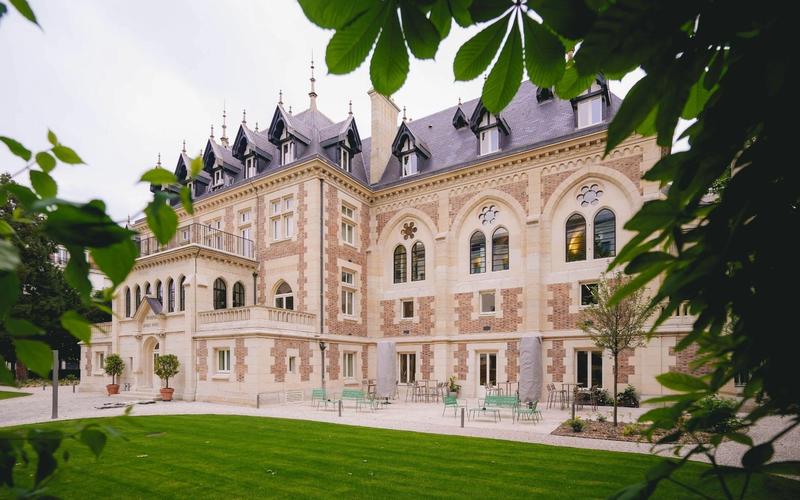
- The right place: if the meeting is to last more than 30 minutes, it matters that it takes place somewhere comfortable. Natural light and pleasant surroundings reinforce the content of the meeting.
- The right service: having the necessary equipment and services is essential to avoid needless loss of time. Everything should be available at the meeting venue and easy to use.
- The right content: how the meeting is structured, organised and led is crucial. Techniques can be learned to improve these aspects and achieve more effective outcomes.
- The right mindset: a group cannot be expected to be creative if its members barely know each other, nor effective if it is asked to take major decisions straight after lunch. Creating conditions that favour productivity matters.
In short, being able to hold fewer meetings will mean holding better ones and rethinking our meeting culture, rebuilding the way we work and fostering a more productive, more balanced working environment. Done properly, that shift will have a significant impact on efficiency, engagement, job satisfaction and employee wellbeing.