
From the world's largest wine and spirits market to the lively terraces of Bercy Village, the neighborhood has always thrived on bringing people together. A portrait of a place whose history lies hidden beneath the cobblestones.
Comet Bercy: Remembering Paris's Wine Warehouses

Before it became a neighborhood where people grab lunch between meetings, Bercy was the beating heart of the Paris wine trade for nearly two centuries—a place where barrels mattered more than expense reports. Just a stone’s throw from Comet Bercy, railway tracks, cobblestones, and a whole history you would never suspect when stepping out of the metro still remain. So what is really left of this winemaking past?
1) Comet Bercy, a venue designed for gathering in the heart of history
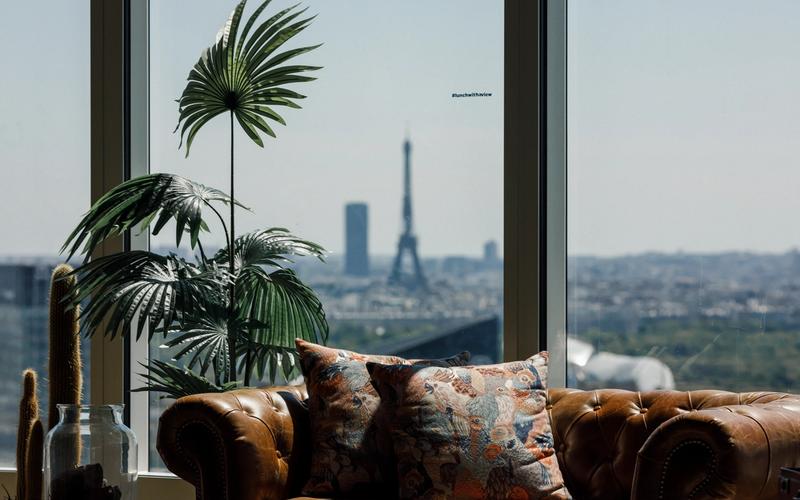
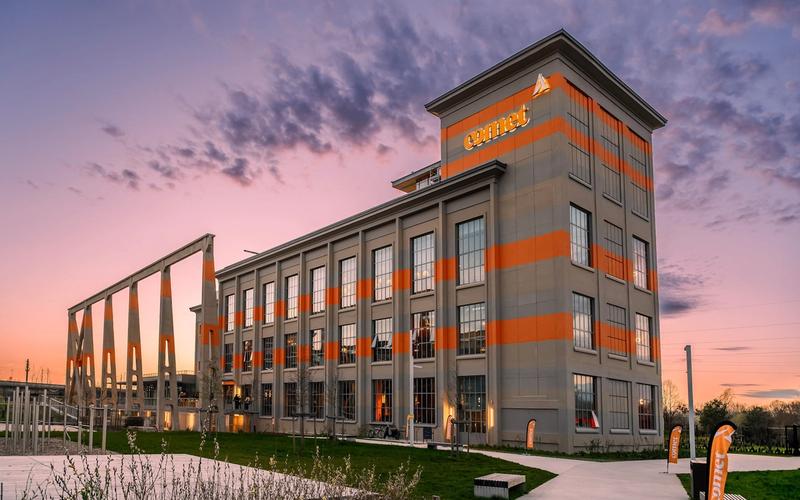
Before going back in time, a few words about the venue itself. Comet Bercy is located in one of the largest office buildings in central Paris, just a stone's throw from Bercy Village and a few minutes from Gare de Lyon. It can accommodate up to 200 people, with 13 flexible rooms spread across two floors for meetings, seminars, and corporate events, communal areas for breaks, and a large dining area where everyone gathers at lunchtime.
A convenient venue, easily accessible from anywhere in the Île-de-France region and for teams arriving by train, but also a place with character, reflecting the neighborhood around it.

2) A village outside the walls, and a lucrative opportunity for wine merchants
The story begins long before Bercy became part of Paris. In the eighteenth century, the village still lay beyond the city limits, which meant, in practical terms, that it was exempt from the octroi, a tax levied on goods entering Paris. Wine merchants quickly recognized the advantage of this special status. The first warehouses were built, benefiting both from this exemption and from the proximity of the Seine, a key transport route to Burgundy.
It is the beginning of an adventure that will transform the entire neighborhood over the next two centuries.
3) The world's largest wine and spirits market
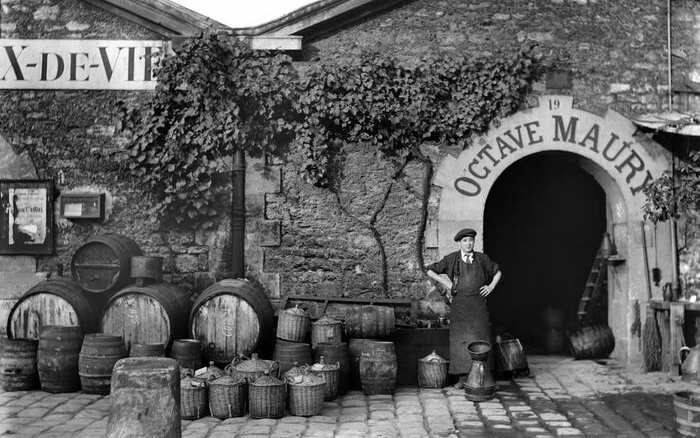
Over the course of the 19th century, the warehouses grew, became more organized, and expanded. At their peak, they covered more than 40 hectares and employed thousands of people. Bercy thus became, quite simply, the largest wine and spirits market in the world.
Barrels are delivered here, filled, stored, and shipped. The neighborhood pulses with this intense activity, shaped by the workers’ meticulous movements and monumental infrastructure. Its atmosphere is so distinctive that it would attract photographers, beginning with Eugène Atget, who captured it in numerous images.

4) Annexation, followed by the slow decline of a wine empire
The turning point came in 1860, when the municipality of Bercy was annexed to Paris. The château that gave the district its name eventually disappeared, making way for the expansion of the warehouses. Trade continued to flourish for another century, at times accounting for a very large share of the wine trade in Paris.
But a change in practice would gradually erode this central role: bottling directly at the estate slowly reduced the need to pass through Parisian warehouses. The decline was slow, almost imperceptible at first, but inevitable.
5) 1979, the year that changed everything
The final blow came with the 1979 decision to build a large indoor sports arena in Bercy, now known as the Accor Arena. This decision triggered a long series of demolitions as part of a sweeping effort to rebalance Paris toward the east. Most of the historic wine warehouses disappeared.
Fortunately, not everything was demolished. The Pavillons de Bercy, former wine warehouses built in the late 19th century by architect Louis-Ernest Lheureux, were preserved. With their millstone walls, metal structures, and brick vaults, they are now among the last remaining reminders of what the neighborhood once was.
6) What remains beneath the feet of today's passersby
Strolling through Bercy Village means walking through a history that is not always visible at first glance. The rails once used to transport barrels can still be seen, embedded in the cobblestones of Cour Saint-Émilion. The old wine warehouses have been converted into shops, restaurants, and a cinema, while the Pavillons de Bercy are now home to the fascinating Museum of Fairground Arts.
Comet Bercy is located in this neighborhood steeped in history, just a stone's throw from Bercy Village and a few minutes from Gare de Lyon.
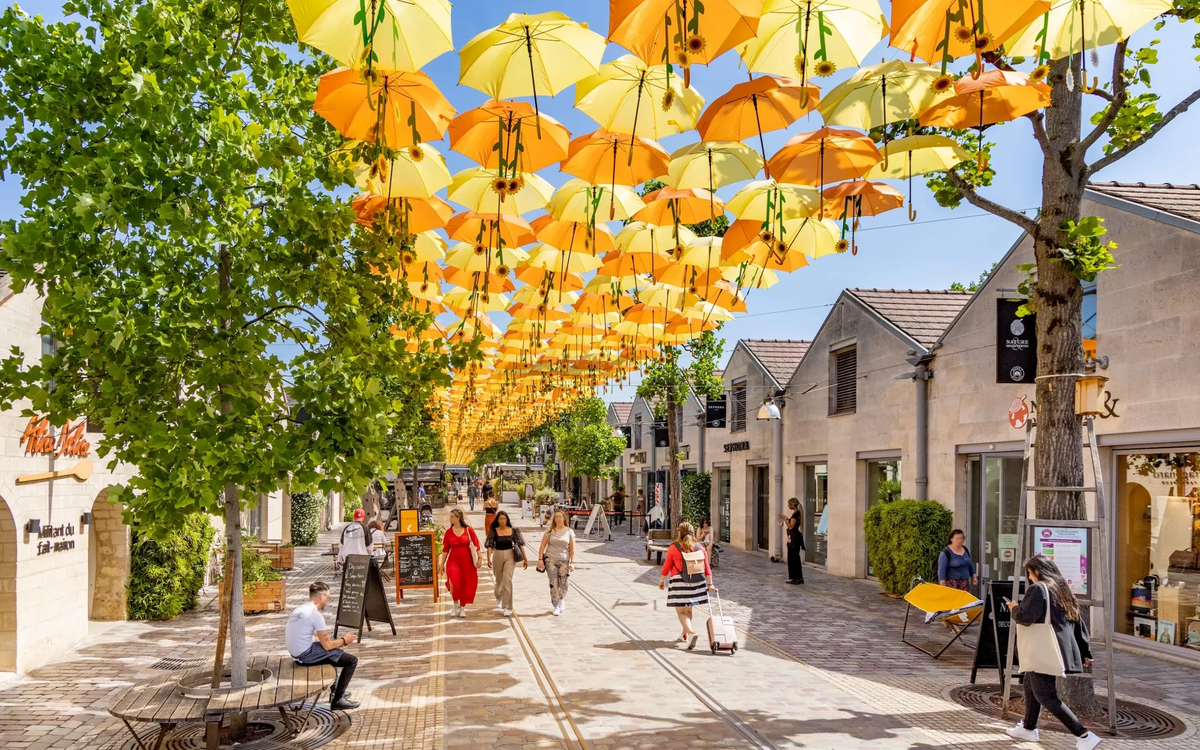
7) A neighborhood that has never stopped partying
There is something fitting about the fact that Bercy remains a place where people come together today, extending the workday with dinner or a trip to the cinema. The neighborhood has always had this warm, lively reputation. The barrels may be gone, but the convivial spirit has endured through the ages.
Comet Bercy benefits directly from this vibrant atmosphere, with a lively neighborhood right outside, offering restaurants, a cinema, and walks along the Seine to extend the day beyond the seminar.
So, ready to raise a glass to history?
From some of the wine world's most imposing warehouses to the lively terraces of Bercy Village, the district has always thrived on bringing people together—whether around a wine barrel, at a seminar, or for a corporate event. Comet Bercy carries on this tradition, set in a neighborhood whose history, however discreetly it may lie beneath the cobblestones, gives the venue its distinctive character.
A day at work, and an entire neighborhood to keep it going.
comet-meetings.com/lieux/comet-bercy